
Understanding SIL Accommodation in Perth
Supported Independent Living (SIL) is here to help you live in your own home and feel more independent. It’s a type of support service that is all about giving you the help you need every day.
In Perth and across Western Australia, supported independent living can give you the support you need to take care of things in your daily life. This works whether you live by yourself or share a place with other people. SIL services fit around your ndis plan and what you want for your life. The help you get from supported independent living is made to match your own goals and needs.
This is not just about finding a place to live. It is about getting the right support to feel good and do well. The main goal of SIL is to help you build your skills. You can learn to cook your own meals and handle your daily schedule. All of this happens in a safe and supportive environment.
In the paragraphs below, we will look at what makes this independent living model special. You will also read about how it works with your NDIS plan. This will help you get the support you need on your way to living on your own.
What Makes Supported Independent Living Unique in Western Australia?
What makes supported independent living different from other housing choices is how personal it is. You do not get the same setup as everyone else. Instead, supported independent living looks at your unique needs and goals. It is like having a suit made just for you, not the one everyone can buy. This way, it shows that each person’s path to independent living is not the same.
In Western Australia, you will work with providers to find the best place for you to live. You can choose to share a home with housemates who like the same things you do. Or, you might want your own space in an independent living accommodation. The focus is on what works for you, making sure the support you get matches the life you want. This way, you can feel more at home and enjoy independent living.
This is not like other disability accommodation models that can feel very strict. With SIL, you get to be in charge. You make choices about your home, your day, and your life. This is a partnership that helps you have greater independence and feel more sure of yourself at every step.
How SIL Accommodation Works with NDIS Participants
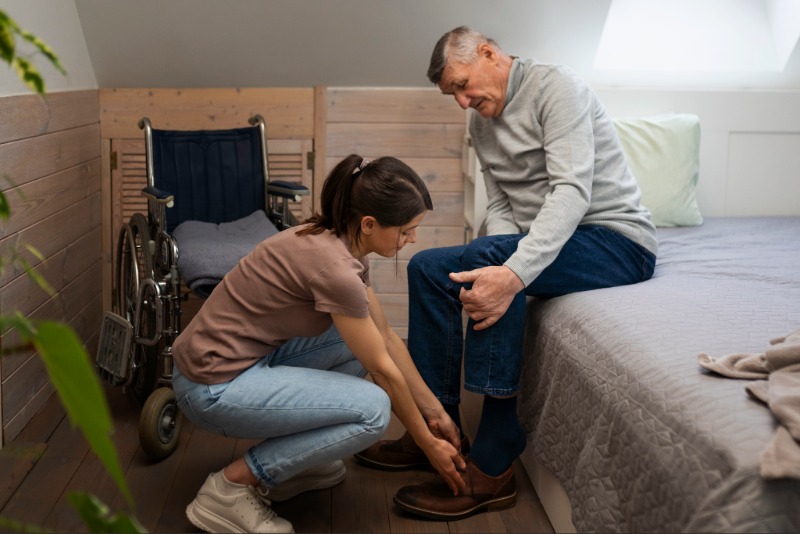
Your NDIS plan is what helps you get SIL support. If you are an NDIS participant and you have funding for SIL, these services will fit into your life with less stress. SIL support helps you with daily living tasks that you may not be able to do without help. It can help with things like personal care, meal preparation, or keeping track of your appointments.
For people in the NDIS who have high support needs, SIL is important for living safely and well in the community. You can get help any time you need it, even overnight assistance. This support is always there for you, so you and your family can feel at ease.
The process starts when we talk with you about your goals. After that, a plan is made just for you to make sure you get the right level of sil support. We work together with you so the services match what you want in your ndis plan. This helps you to live in a way that gives you more control and freedom.
Who Is Eligible for SIL Accommodation in Perth?
Are you thinking about whether SIL accommodation is a good choice for you or someone you care about? SIL accommodation is made for NDIS participants who need a lot of support with daily tasks but also want to try independent living options. If you want to have more control over your life while still getting help with daily tasks, SIL accommodation could be the right option for you. It supports your goal for more independent living.
You will usually need SIL funding to be approved in your NDIS plan. This help is for people who need more support to live in their own home or in a shared place. In the next sections, we will talk more about the NDIS rules for this type of disability accommodation and how they look at individual needs.
NDIS Criteria for Accessing SIL Support
To get SIL, you need to be an NDIS participant. Your NDIS plan must have SIL funding. This money is set aside for people who need a lot of help, usually all day and night, to live on their own. The National Disability Insurance Agency (NDIA) will look at your needs. They decide if SIL is “reasonable and necessary” support for you.
People with higher support needs, like those who have a physical, intellectual, or psychosocial disability, often use SIL funding. The NDIS reviews your personal goals and checks if you need help with daily tasks to live safely. If you need support with personal care, doing household chores, or getting around in the community during the day, SIL funding may be right for you.
You need to show the NDIA why you need this kind of help. A support coordinator can help you with this. They help you find the right proof and they work with you to explain why SIL is so important. This makes it easier for you, as an NDIS participant, to reach your independent living goals.
Assessing Individual Needs for Disability and Elder Care
A good SIL arrangement starts with looking at your individual needs. A quality provider will spend time with you to understand what you need, how you like to live, and what you want for your future. This isn’t just about ticking off boxes. It’s a talk about how you want your life to be.
The assessment looks at many parts of daily life. It checks tasks like showering and dressing, which are part of your personal care. It also looks at the mental health support that you may need. If you are in elder care, the process thinks about the needs you have with age. It also makes sure the place is safe and easy to use. The goal is to see all of the support you need so you can live well.
When your provider knows about your strengths and the things you find hard, they can make the disability accommodation and support services fit you better. You will get help where you need it most. At the same time, they also want you to do things on your own when you can. This way, your quality of life will get better in the end.
The Types of SIL Accommodation Options Available Locally
When you look at supported independent living in Western Australia, you get many choices. You can live in your own home and get help when you need it. Or, you can stay in a shared house with other NDIS people. These independent living options give you freedom, so you can choose what feels good for you.
No matter if you like living with others or want your own space, there will be a SIL accommodation that is right for you. Many places give you many types of homes. This can be modern houses that feel nice and cozy or single units that are easy to get around for all.
Let’s talk about how shared and individual living are different and give some examples you can find close to you.
Shared Living Arrangements Versus Individual Residences
Choosing whether to live in a shared home or by yourself can be a big step. Both options have good things to offer. A shared living space lets you meet new people and build friendships. You will be matched with potential housemates. Providers look at your age, interests, and what support you need. This helps make sure there is peace in your new home.
In a shared home, you get your own space. You have your own bedroom. You can make it look how you want. You also use the kitchen and living room with others. This lets people spend time together and help with household tasks. A friendly team of support staff is there to help everyone in the home.
Here are some key aspects of shared living:
- You get chances for social interaction with your housemates.
- There is support staff who are there to help.
- Help is given when you learn to do household tasks with others.
- You will find a supportive environment and feel part of a built-in community.
- Some household expenses can be shared, making it easy on everyone.
On the other hand, a person can live in their own home. This gives you the most privacy and freedom. Support staff will come to help you when needed, based on your NDIS plan.
Facility Highlights in Perth: Armadale, Cannington, and Gosnells
Finding the right independent living homes in a good area can make your life feel better. In Perth, you can find new and easy to use independent living homes where you need them. Some of the top suburbs for this are Armadale, Cannington, and Gosnells. People pick these places because they are handy, friendly, and give you easy access to things you need every day. Think about having your home close to shops, parks, and doctors’ offices.
A good disability service provider makes sure their homes fit well into the community. With this, you do not just get a house, but you also become a part of a neighborhood. Being close to public transport is very important, as it helps you get to work, school, or social activities with ease. Your support coordinator can help you look for open homes in these good spots.
Here is a look at what you can find in these homes in the area:
Feature | Armadale | Cannington | Gosnells |
Home Type | Shared & Individual Units | Modern Shared Homes | Spacious Shared Homes |
Accessibility | Wheelchair accessible | Close to major shopping centers | Near parks and recreation |
Transport | Easy access to train line | Near bus interchange | Good public transport links |
Community | Close-knit community feel | Vibrant, diverse area | Family-friendly suburb |
Services and Supports Included in SIL Accommodation Perth Providers Offer
SIL services are made to help you in every part of your daily life. The goal is to help you with tasks that you find hard. This lets you focus on living your life the way you want and being active. Trained support workers are there to give you this help. They work with you, so you can reach your personal goals.
From help with personal care in the morning to support at night for safety and comfort, these services be flexible. They fit your routine. SIL gives more than just watchful care. It helps with most daily tasks, so independent living is possible. The next sections will show what support you can get.
Daily Living Support, Allied Health, and Community Participation
A big part of SIL is support with daily living. This means help with the things you do every day to feel comfortable at home. Support services are made just for you and what you need. You might get help with cooking good meals, how to manage your money, or keeping your place neat and clean.
SIL is more than something you use at home. It helps you feel connected to the rest of the world. Support workers can make it easier for you to take part in community participation. They can go with you if you want to join a local club, start a TAFE course, or just go out to see friends. A support coordinator can help you stay in touch with useful people like therapists or other experts. They can also help you get to your appointments.
The range of support services typically includes:
- Get help with your personal care routines.
- Get support for meal planning, shopping, and cooking.
- Get help to manage your medication.
- Build skills to take care of your home.
- Join social and community activities with support.
- Use transport to get to your appointments and events.
Specialized Mental Health and Elder Care Services in Local SIL Homes
Many SIL homes in Perth have everything needed to give special help to people with complex needs. This includes mental health support and care for older people. Because of this, everyone can enjoy a good quality of life, no matter what they are going through. The support staff know how to make the place feel safe and calm for all.
For people who need mental health support, SIL providers work to help build positive behaviors and social skills. With ongoing support, you get help to take care of your well-being. This help can also make your relationships with others better. The aim is to create a safe place where you feel heard and feel you have power to deal with the ups and downs of life.
In the same way, sil services help older adults in a gentle and respectful way. These services can give support with walking, taking care of health, and staying safe and comfortable for those with high support needs. The main goal is to let people keep their dignity and freedom for as long as they can in the place they know best—their home.
Choosing the Right SIL Accommodation Provider in Perth
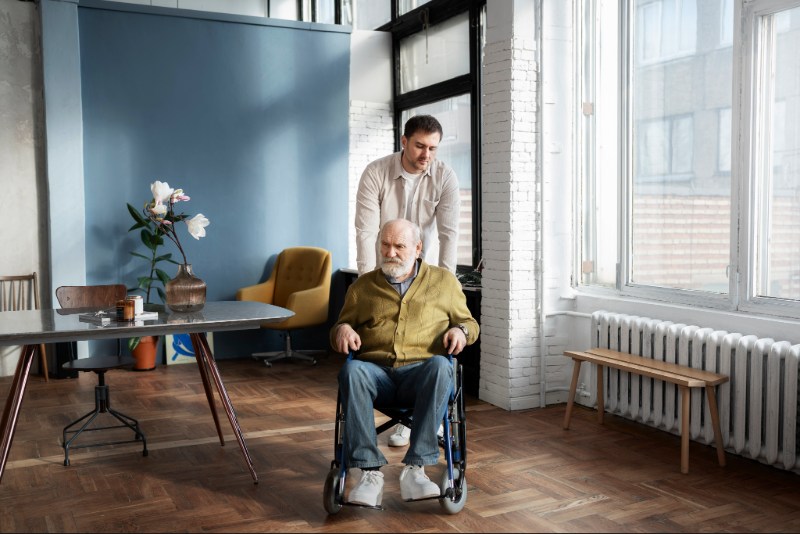
Choosing a SIL provider is a big step when you want to live on your own. You should pick a trusted NDIS provider who will listen to what you need. They will work with you to reach your personal goals. The right provider will feel more like a partner, not just someone who gives you a service.
Look for a provider that has a friendly team. It helps to choose one that puts people first and cares about each person. A support coordinator can work with you to look at different options. But, it is very important to find an organization that has values like yours.
In the next parts, we talk about why local experience matters. We also share some key questions you should ask when you meet with disability accommodation providers.
Registered SIL Providers and Local Experience Matters
You must make sure that the provider you pick is listed as an SIL provider with the NDIS. The registration shows the provider keeps to government rules for safety and service. This helps you feel safe and makes sure the provider does what they should. It helps you get the right support.
Beyond registration, having experience in the local area is very important. A disability service provider that knows Perth well will also know the people, places, and services here. They will have good connections and several homes, so it will be easier for you to find one you like, in an area you want. This way, the service provider can help you feel comfortable and supported.
This local knowledge helps them give you more than a simple room in a house. They can help you find your own home in a place where you feel like you belong. Their experience makes things easier, from that first application to when you move in. They know both the hard parts and the good things about the Perth market.
Questions to Ask When Selecting a Provider for NDIS Participants
When you meet a potential trusted NDIS provider, this is your time to ask questions. Do not feel scared to get into details and learn if they are right for you. A good provider will listen to you. They will give clear and honest answers to what you ask. This talk is an important step for you. It helps build a good partnership with your trusted NDIS provider.
Think about what is most important to you when it comes to independent living, independent living services, and support options. Is the place more important? Do you care about the type of support staff there? Does how flexible the services are matter to you? It helps to write down some questions before you choose. This way, you can feel sure about your decision.
Here are some important questions to ask:
- How do you match housemates in a shared home?
- What kind of training and experience do your support staff have?
- Can I keep my existing support services, like therapy, from other providers?
- How will you support my personal goals and help me build new life skills?
- What does your communication with families look like?
- Can you tailor personal care and other support options if my needs change?
SIL Accommodation Costs and NDIS Funding in Western Australia
It is important to know the costs that come with SIL accommodation when you plan for your future. The good thing is, if you have SIL funding in your NDIS plan, the cost for your support staff is paid for. This money is for the people who help you with your day-to-day living.
SIL funding helps pay for supports that people need for disability accommodation. It does not cover your rent, bills, or food. You need to pay for your own home and living costs. These include things like your rent, electricity, and groceries. We will explain the typical costs you might have in this kind of living arrangement. We will also talk about how you get approval and how payments work.
Typical Expenses and NDIS Coverage Explained
It’s important to know what your NDIS plan pays for and what you have to pay yourself. Your SIL funding is only for support services you get. This means the support workers who help you with your daily tasks. They can help you with personal care, cooking, or going out into the community.
You are going to be in charge of your own living costs. Most of the time, this is handled with a “Board and Lodgings” payment. This is a regular set amount that covers your part of the rent, the bills, and your food. It makes it easy to plan because many costs are included in one payment.
Think of it like this. The NDIS pays for the support you get. You pay for the house where you live. You also pay out of your own pocket for things like your bedroom furniture, clothes, medicine, and things you do for fun. This setup helps you be independent because it works the same way most people handle their home budgets.
Navigating Payment, Approvals, and Out-of-Pocket Details
Handling the money part of SIL can feel hard. But the support coordinator and your provider are here to help. First, you need to get the right SIL funding added to your NDIS plan. Your support coordinator will help you get ready by making reports and setting goals for your plan review, so you can try to get SIL funding approvals.
After your plan gets approved, you will sign a service agreement with your SIL provider. This paper shows what supports they will give and what costs your NDIS plan will cover. It will also explain how you will pay for your share, like board and lodgings.
Here’s a simple breakdown of the process:
- Work with your support coordinator to help you get SIL funding added to your NDIS plan.
- Look over the service agreement with the provider you choose and sign it.
- Set up a way to pay for your Board and Lodgings share each time it is due.
- Know which costs you need to pay for yourself.
- Talk often and clearly with your provider if you have any questions about money.
Transitioning to SIL Accommodation: Steps and Support
Moving into a new home is a big thing. The change to SIL accommodation takes planning and some help. A good provider will help you at every step. This starts with your first application and goes all the way to when you are living in your new home. A support coordinator will also be there to help you during this time.
The process is made to be easy and free of stress. You start by finding the right home for you. After that, you meet potential housemates to see who is a good fit. Before you move in, all the help and supports you need will be ready. With ongoing support, you can feel good and look forward to this new part of your life. Let’s go through the steps together.
Application Process for SIL Accommodation Through the NDIS
The first step to getting SIL accommodation is to fill out a referral. You can do this yourself, or a family member or your support coordinator can help. The referral form will ask for basic details about the help you need and what you want in your new home.
After the referral, the team from the provider will contact you to set up a meeting. This meeting lets them get to know you. It also gives you a chance to ask your questions. If they think there is a good opening for you, they will invite you to come and see the home. You will meet the people who live there now, usually over a meal or afternoon tea.
You are in control during the whole process. You can take your time to see if the home and the people feel right for you. When you say yes, the last steps are to sign a service agreement and plan your move. The goal is to make sure you feel good and sure about your choice before you agree.
Assistance With Moving and Adjusting to Your New Home
The support will be there even after you sign the agreement. Your new provider will help you with the basic parts of moving. They will also be there for you as you get used to your new place. The support staff want you to feel welcome from the first day.
If you are not sure about moving in full-time right away, some providers have Short-Term Accommodation (STA) for you. With this, you can stay for short times in the home. You get to know the routines and the people before you choose to stay full-time. This is a good way to feel more comfortable about your new life.
When you move in, you will get ongoing support from your Home and Community Leader and the support staff. They will help you feel more comfortable and set up your daily routines. They will also help you start working on your personal goals. This ongoing support is there to make sure your change into the new place goes well and helps you feel strong and positive.
Real Examples of SIL Accommodation in Perth
It can be tough to picture what life in an SIL home feels like. These are not big institutions. They are independent living homes, full of energy, people, and things that feel personal. You will see that people often make friends here. They get to learn new skills, which helps boost their quality of life. Everyone lives in a supportive environment each day.
Every home is different for each person. Some shared homes in Perth are full of social interaction and energy. Others have quiet units where people can enjoy peace and time alone. NDIS participants in the suburbs are living in homes that help them feel free but also give the right support. Here are some stories from these local communities.
Stories from Armadale, Cannington, and Gosnells
Imagine Sarah. She is an NDIS participant, and she lives in a shared home in Armadale. She loves gardening. With help from the friendly team, she started a small vegetable patch in the backyard. She and her housemates use the fresh food they grow to cook together. Many times, they have barbecues on the weekend. The shared home is now a busy place where people enjoy many social activities.
David lives in Cannington. He wants to go on and study more. His independent living home is not far from a TAFE campus. The support workers help him manage his time. They also support him when he needs to travel. David lives in a shared home, too. The people there support him and have become his friends. They all cheer him on while he studies and feel happy when he does well.
Keywords used: independent living, support workers, shared home.
In Gosnells, there is an older man named Robert. He lives in a nice home where he gets help to move around and look after his health. Most afternoons, he likes to sit quietly on the patio. Each week, he goes out to the local library. Robert’s days are calm and full of respect. A caring team looks after him, but they always listen to what he wants and needs. These are the real stories of independent living.
What Everyday Life Looks Like in Local SIL Homes
Everyday life in a SIL home follows a daily routine. The routine is made to fit your needs and what you like. This helps you feel stable and in control. There is a mix of social interaction, learning new things, and regular daily routines. A support worker may help you in the morning as you get ready for the day. You might then go to work or join a day program.
The main idea is to help you build life skills. In the afternoon, you may spend time cooking a new recipe, making a budget, or working on your personal goals with support workers. This is about taking part and doing things for yourself. Your support workers are there to help you feel strong and reach your personal goals.
Evenings might involve:
- Having a meal with your housemates.
- Watching a movie with others in the living room.
- Spending some time on your own hobby in your room.
- Planning some weekend social interaction and outings.
- Just relaxing in a safe and comfortable place.
Life in a SIL home is much like life in any other home. People live, do things, and feel at home there. The difference is that there is a good support system in place. You can feel safe, get help when you need it, and still have your own space.
Conclusion
To sum up, Supported Independent Living (SIL) accommodation in Perth gives a way for people to get the support they need. This is very important for NDIS participants. It is good to know about the different features and services that are in your local area, like Armadale, Cannington, and Gosnells. Doing this can help improve your quality of life or the life of someone you care for.
When you look at each option, match it to individual needs and what you or your loved one likes most. This helps you make the best choice for supported independent living. If you want to know more about SIL accommodation, you can get a free talk with our experts. They will help you every step of the way so that you can feel good about moving into your new home.
Reference Links:
- https://www.ndis.gov.au/participants/home-and-living/supported-independent-living-participants
- https://www.ndis.gov.au/participants/your-rights-and-responsibilities#your-rights
- https://ourguidelines.ndis.gov.au/supports-you-can-access-menu/home-and-living-supports/individualised-living-options/how-do-we-fund-individualised-living-option/what-stage-1-exploration-and-design
- https://techcommunity.microsoft.com/t5/microsoft-365-blog/microsoft-365-apps-say-farewell-to-internet-explorer-11-and/ba-p/1591666
- https://wa.me/61493672581
- https://www.instagram
- https://www.ndis.gov.au/
- https://www.instagram.com/starrcare88/
- https://www.ndiscommission.gov.au/provider-registration/starr-care-pty-ltd
- https://www.ndis.gov.au/providers/housing-and-living-supports-and-services/
- https://www.ndis.gov.au/providers/pricing-arrangements